

Preparing for a prolactin blood test
What to do before your prolactin blood test for the most reliable results.
Prolactin is a hormone produced by the pituitary gland that plays an important role in lactation, reproductive health, and hormonal regulation.
Unlike many other blood tests, prolactin levels are very sensitive to everyday physiological factors. Stress, sleep, exercise, nipple stimulation, and even the time of day can temporarily raise levels. Because of this, a few simple preparation steps are usually recommended to ensure results accurately reflect your baseline hormone level and reduce the chance of misleading results or unnecessary repeat testing.
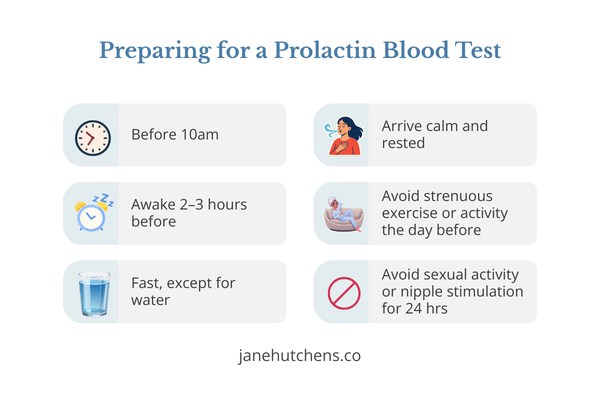
Following these steps helps minimise temporary increases in prolactin that can affect test results.
Why preparation matters
Prolactin secretion follows a circadian rhythm and responds to both physical and emotional stimuli. Levels typically rise during sleep and peak overnight, then gradually decline throughout the day. In addition, stress, exercise, and nipple stimulation can trigger short-term increases in prolactin release.
Because these changes can occur quickly, even normal daily activities shortly before a blood test may cause temporary elevations that do not reflect a person’s usual hormone level. If having repeat tests, it can help with the accuracy and interpretation of results if you have the test done at the same time.
Key preparation steps explained
1. Test in the morning
Prolactin levels vary throughout the day. Testing in the morning (typically between 8–10am) helps standardise results and allows clinicians to compare results more reliably.
It is also recommended to be awake for around 2–3 hours before the test, as prolactin levels can still be elevated immediately after waking.
2. Arrive relaxed
Stress can stimulate prolactin release. While blood tests can understandably make some people anxious, arriving calm and allowing a short rest before the test can help reduce this effect. Helpful strategies include:
• Allowing extra time so you are not rushing
• Sitting quietly for around 15 minutes before the blood draw
• Using breathing or relaxation exercises or listen to relaxation tracks while waiting
If stress levels are high immediately before testing, mild hyperprolactinaemia may be reported even when baseline levels are normal.
3. Avoid stimulation and strenuous activity
Certain forms of physical stimulation can temporarily increase prolactin levels. These include:
• Sexual activity
• Breast or nipple stimulation
• Vigorous exercise
• Heavy physical exertion
To minimise transient increases, it is generally recommended to avoid these activities for about 24 hours before testing.
4. Fast overnight (but stay hydrated)
Fasting is not always strictly required for prolactin testing, but often is because eating shortly before testing may indirectly influence hormone secretion through digestive and metabolic pathways. Also, fasting can help establish that consistent baseline that we're aiming when testing at the same time of day each time. This applies to other blood tests too, especially thyroid and reproductive hormones. General guidance includes:
• Avoid eating overnight before the test
• Drink water to stay hydrated (and make it easier when the blood is being taken)
When is prolactin testing usually recommended?
A prolactin blood test may be requested to investigate irregular or absent periods, infertility, unexplained breast milk production (galactorrhoea), symptoms of pituitary disorders, low testosterone or sexual dysfunction in men, and headaches or visual symptoms suggesting pituitary disease. It may also be used to monitor known prolactin disorders or response to treatment.
Common causes of elevated prolactin
Elevated prolactin (hyperprolactinaemia) can occur for several reasons, including:
Physiological causes
• Pregnancy or breastfeeding
• Stress
• Sleep
• Nipple stimulation
Medical causes
• Pituitary adenomas (prolactinomas)
• Hypothyroidism
• Chronic kidney disease
• Chest wall injury or irritation
Medications that may increase prolactin
Several medications can raise prolactin levels by influencing dopamine pathways, including:
• Antipsychotic medications
• Some antidepressants
• Certain anti-nausea medications
• Some blood pressure medications
• Oestrogen-containing medications
Reviewing medications is part of the assessment for high prolactin. If a prolactin result is elevated, your healthcare professional may recommend repeating the test, often with careful preparation, to confirm the result. They may also order additional tests for further information.


