

What is "Cardiometabolic health"?
Understanding the link between heart health, metabolism, blood sugar, cholesterol, and long-term wellbeing.
What is “cardiometabolic health”?
Cardiometabolic health describes the link between the:
Cardiovascular system (the heart and blood vessels) and
Metabolic system (how the body manages blood sugar, cholesterol and energy)
Many risk factors affect both systems at the same time. Their health and risk of disease are also shaped by other body systems, particularly hormones and inflammatory pathways. None of these systems operate in isolation; they continually communicate with, adapt to, and influence one another.
Cardiometabolic disease refers to a group of common conditions, including diabetes and hypertension, that increase the risk of atherosclerosis, heart disease, stroke, and premature death.
Why Cardiometabolic Health Matters
Cardiometabolic health plays a major role in long-term wellbeing and disease prevention. When cardiometabolic systems are functioning well, the body can regulate blood pressure, blood sugar, cholesterol, and energy metabolism effectively.
When these systems become disrupted, the risk of chronic disease increases. Cardiovascular disease, type 2 diabetes, and stroke are all strongly linked to cardiometabolic dysfunction.
These changes often develop gradually over many years, which means cardiometabolic risk can be present long before symptoms appear. And it means we need to take care of our cardiometabolic health even if we are currently well and have no symptoms, because understanding and supporting cardiometabolic health early can help reduce the likelihood of disease later in life.
The links between cardiovascular health and metabolism
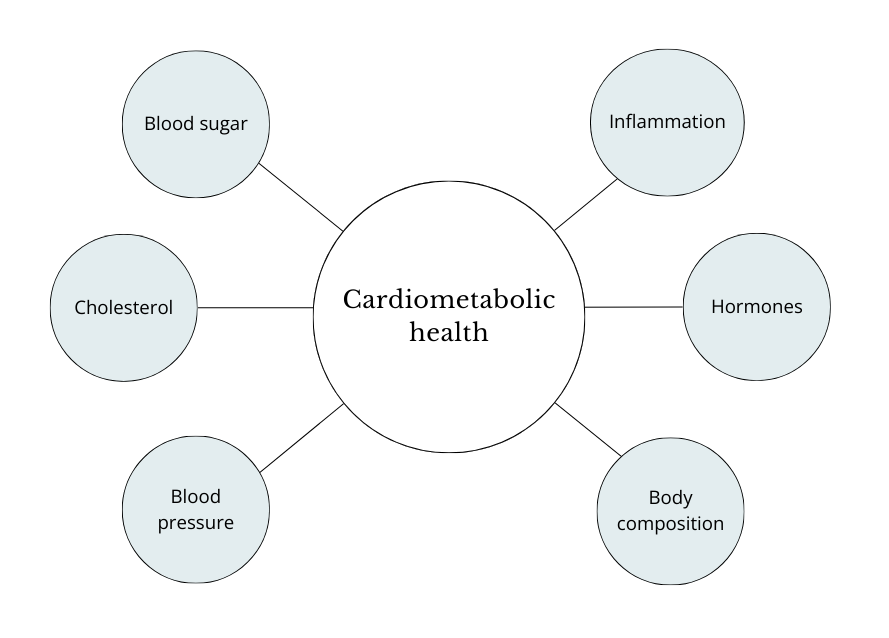
Cardiovascular health and metabolism are closely interconnected. Metabolic processes regulate how the body uses and stores energy, manages blood sugar, and processes fats such as cholesterol. These same processes directly influence the health and function of blood vessels and the cardiovascular system.
For example, elevated blood sugar, abnormal cholesterol levels, and chronic inflammation damage blood vessels and contribute to the development of atherosclerosis.
Hormones, inflammation, and other biological systems also play a role in this relationship. Rather than functioning separately, these systems constantly communicate and adapt to one another. This is why cardiometabolic health is best understood as a whole-body process rather than a single disease or risk factor.
What is cardiometabolic disease?
As mentioned, you don't flip from cardiovascular health to cardiovascular disease (CVD) overnight, there are steps along the way. Instead of thinking of cardiometabolic health vs cardiovascular disease as 2 distinct states, it can be helpful to think of this as a spectrum:
Cardiometabolic health → cardiometabolic dysfunction → cardiovascular disease
Here's a few examples:
Normal blood sugar and insulin function → insulin resistance → damage to the lining of blood vessels (endothelial damage)
Healthy cholesterol → elevated cholesterol (esp LDL, apoB) → plaque formation in arteries
Healthy blood pressure → hypertension → arterial remodelling (structural changes in arteries that affect function and other risks)
No excess inflammation → chronic elevated inflammation → plaque instability (fragile atherosclerotic plaque that can dislodge)
By the time obvious cardiovascular disease is diagnosed, cardiometabolic dysfunction has often been present for years, if not decades.
Why this framing matters
This framing of cardiometabolic health and the spectrum shifts the focus from crisis care (treating disease after events such as heart attacks) to earlier prevention and the promotion of health. It encourages a more proactive approach to long-term wellbeing. This perspective also opens space for earlier and more meaningful interventions across areas such as nutrition, sleep, stress, metabolic health, and hormonal transitions.
Common cardiometabolic risk factors
Several factors can increase the risk of cardiometabolic disease. These include hypertension, abnormal cholesterol levels, impaired blood sugar regulation, and excess abdominal fat. Chronic inflammation and insulin resistance also play important roles.
These risk factors often occur together and can interact with one another over time. And because these factors are interconnected, cardiometabolic health is best understood by looking at the broader pattern of risk rather than focusing on a single marker in isolation.
Where hormones and reproductive conditions fit
Cardiometabolic health is also shaped by reproductive health across the life course. In addition to transitional stages such as puberty, pregnancy, postpartum, perimenopause and postmenopause, some reproductive conditions are associated with increased cardiometabolic risk, such as:
Gestational diabetes
Hypertensive disorders of pregnancy, including pre-eclampsia
Polycystic ovary syndrome (PCOS)
Premature ovarian insufficiency (menopause 40 years of age or younger)
Endometriosis
Autoimmune disease
If you combine conditions, for example, PCOS and perimenopause, the challenge increases.
How to Support Cardiometabolic Health
There is much we can do to support our cardiometabolic health, and the bonus is, these reduce our risk of many other conditions, including dementia. Key areas include:
Nutrition: Including lots of vegetables, fruits, nuts, whole grains, lean protein sources, and fish. Minimise intake of saturated fats, trans fats, cholesterol, processed meats, refined carbohydrates, added sugars, and sweetened beverages. This will help support stable blood sugar, healthy cholesterol levels, and an adequate fibre intake.
Physical activity: Regular movement that supports cardiovascular fitness, metabolic health, and vascular function. It doesn't have to be complicated, expensive or hideous, even bouts of 10-minutes help. If you've not exercised for a while or have some health issues, check with your GP and consider seeing an exercise physiologist for guidance if needed.
Limit or avoid alcohol and don't smoke. There's online groups and other support for both, speak with your health care professional for support.
Sleep: I mean, I've just put sleep here like it is easy! I know, it can be really hard but it is definitely worth working on. Consistent, good-quality sleep, which plays an important role in blood pressure regulation, metabolism, and hormonal balance.
Stress regulation: Also super-easy, right? Of course not — there are plenty of stress triggers in everyday life. But for cardiometabolic health, mental health, and overall quality of life, supporting the nervous system is important. Chronic stress can affect inflammation, blood pressure, and metabolic function.
Body composition: Doing the things above will help reduce excess abdominal (vsiceral) fat, which is inflammatory and increases cardiometabolic risk.
Life-stage and reproductive health awareness: Recognising that periods such as pregnancy, postpartum, and menopause, as well as conditions such as PCOS, can influence cardiometabolic risk.
Preventive healthcare: Monitoring blood pressure, cholesterol, and blood glucose, and addressing risk factors early.
Together, these habits help support cardiometabolic health over the long term. This is a general guide, and what works best will vary from person to person. Individual health needs, cultural preferences, and life circumstances all shape what a supportive approach looks like in practice.
The wrap-up: cardiometabolic health develops across the life course, shaped by genetics, biology, environment, and the patterns of everyday life.


